



Stroke

Swapping salt for a substitute could help prevent thousands of strokes, and potentially millions of deaths, each year, new breakthrough research has revealed.

Adults aged under 60 whose days are filled with sedentary leisure time, including extensive use of computer and TV with little activity, are at higher risk of stroke than those who are more physically active, new research has revealed. A study from the American Stroke Association found that adults in the US spend an average of 10.5 hours a day connected to media such as smartphones, computers or watching television, and adults ages 50 to 64 spend the most time of any age group connected to media. Death from stroke appears to be on the rise among adults aged 35 to 64 years, increasing from 14.7 in every 100,000 adults in 2010 to 15.4 per 100,000 in 2016. Previous research suggests the more time adults spend sedentary, the greater their risk of cardiovascular disease including stroke, and nearly 90 per cent of strokes could be attributed to modifiable risk factors such as sedentary behaviour.

Israeli stroke rehab tech startup BrainQ has raised US$40m (£29m) in funds to support hospital trials among stroke survivors. The firm has now raised US$50m overall to support its progress of its tech, which aims to reduce disability and promote neurorecovery for stroke victims.
Via a brain computer interface, the company's frequency-tuned low intensity electromagnetic field therapy is designed to operate based on biological insights retrieved from brainwaves using explanatory machine learning tools. These insights are aimed at imitating the natural processes of neural network synchronisation and promoting recovery processes.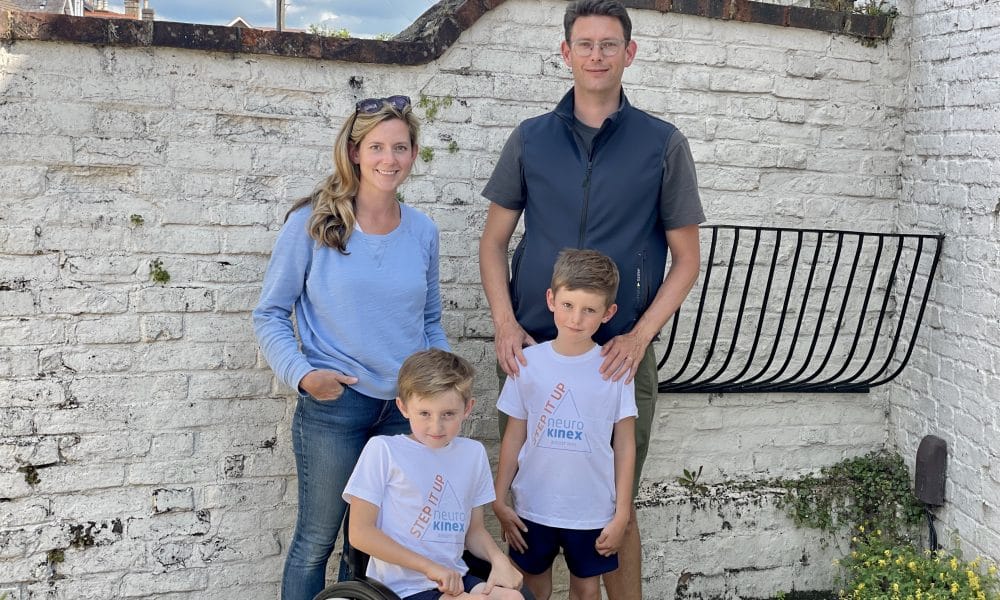
An eight-year-old boy has rallied his family to join him on a 330-mile charity challenge to safeguard a life-changing spinal cord injury rehabilitation programme which has supported him.
Jasper Thornton-Jones was paralysed aged two after a spinal stroke. Key to his rehabilitation therapy since then has been the Neurokinex Charitable Trust, based near Gatwick. Jasper was the first paediatric client at Neurokinex when he started there in September 2016 on its Step Up Scheme. The initiative has proved life-changing for many patients, and offers a set of six free rehab sessions for adults and children with a new spinal cord injury. The scheme costs the Neurokinex Charitable Trust £420 per person to fulfil and relies on funding for its survival.
A study suggests that women may be less likely than men to get timely care for emergent large vessel occlusion (ELVO) ischemic strokes.
An ELVO is the deadliest type of stroke and is caused by a large clot blocking a large vessel and cutting off significant blood flow to the brain. Researchers reviewed 1.5 years of data from 10 stroke centres in the US to see which patients experiencing an ELVO were routed directly to comprehensive stroke centres to receive neuroendovascular stroke surgery (or thrombectomy). These are small minimally invasive procedures that use catheters to reopen blocked arteries in the brain.
A new Australian study using UK data has shown that extra body fat could lead to brain atrophy which increases the risk of dementia and stroke.
Researchers found that increased body fat could lead to increased atrophy of grey matter and consequently the higher risk of declining brain health. They compiled the data from 336, 309 UK Biobank participants.Stroke studies
The team analysed the genetic data of the participants within three metabolically different obesity types - unfavourable, neutral and favourable. This established if some bodyweight groups were more at risk than others.
Doctors in Japan have reported how masturbation sparked a bleed on the brain of a 51-year-old man; as published in the Journal of Stroke and Cerebrovascular Diseases.
Doctors at the Nagoya City University Graduate School of Medical Sciences in Japan explained that the man attended hospital after orgasming, with the sudden onset of a searing headache that lasted for around a minute. This was followed by an intense bout of vomiting.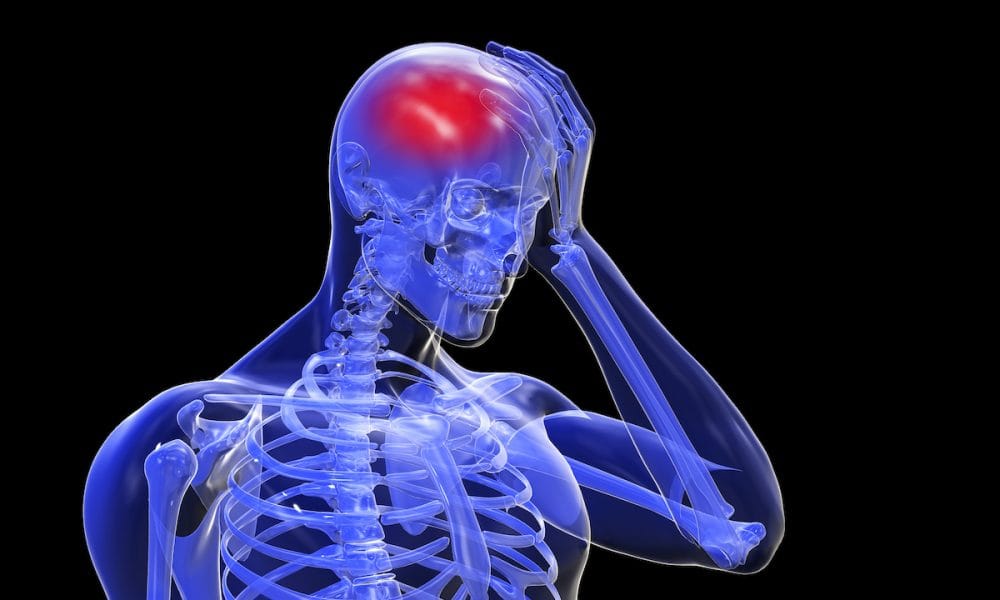
Over 100,000 people in the UK suffer a stroke each year, with there currently being around 1.2 million survivors living in the country.
Many people note that despite how common strokes are they remain unaware of what the actual causes of a stroke are. Depending on which of the two types develops, causes and outcomes can differ. What both have in common is they restrict blood flow to the brain. This leads to a reduction in the brain's oxygen levels, which can cause tissue damage.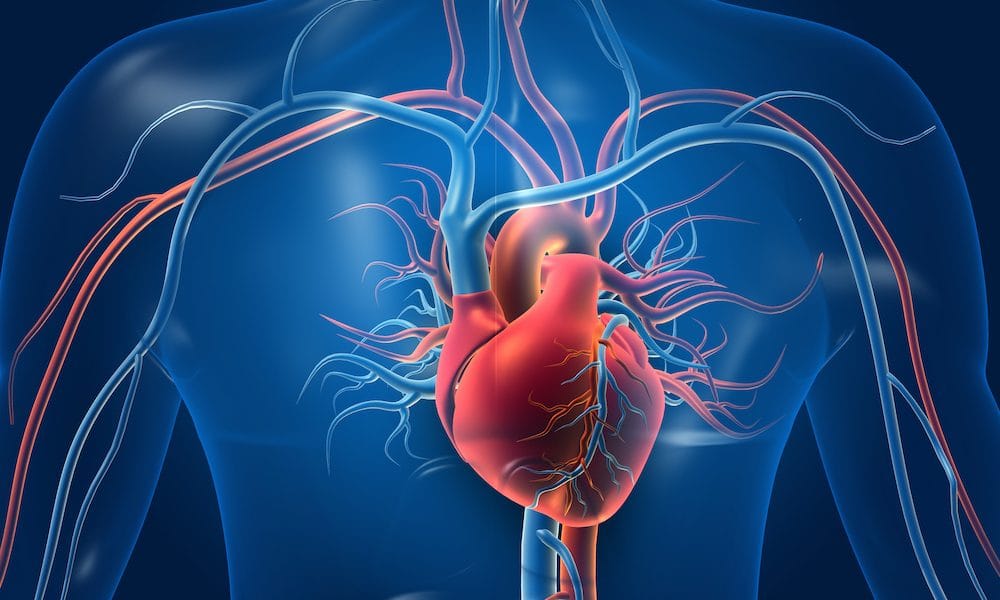
Engineers at the University of California San Diego have developed an ultrasound patch that can be worn on the skin. It monitors the blood flow through major arteries and veins deep within the body.
It is hoped that it could help clinicians diagnose cardiovascular conditions faster. It could also help to diagnose blockages in the arteries which could lead to strokes or heart attacks. The ultrasound patch continuously monitors blood flow as well as blood pressure and heart function in real-time. Assessing how much blood flows through a patient’s blood vessels could help diagnose blood clots, heart valve problems and poor circulation in the limbs. For many patients, blood flow is not measured during a regular visit to their doctors. It is usually assessed after a patient shows signs of cardiovascular problems.
As a former Royal Marine Commando, Troy Johnson has faced many challenges in his life, but his biggest came while he was out on a cycle in May last year.
After a "bad day at work" under lockdown conditions, he went out on his bike to relieve stress. All seemed normal until Troy, 53, noticed a strange feeling in his right arm as he reached down to grab his water bottle. Getting off his bike to retrieve the dropped bottle, his movement seemed off and he struggled to keep his balance.


