Physical activity and personal training for people with neurological conditions
Regular engagement in exercise and physical activity creates a myriad of physiological, psychological, biochemical and emotional benefits, including improved muscular, cardiorespiratory and cardiovascular health and fitness, reduces the risks of falls and fractures, helps to maintain a healthy bodyweight and manage common mental health disorders (such as depression).
For those living with neurological conditions the benefits of exercise and physical activity have been widely researched and supported in the scientific literature.
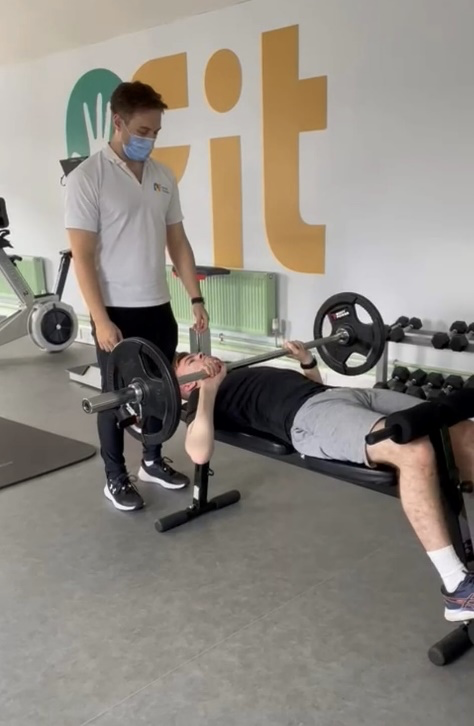
For example, Liu et al. (2019) reported in a review of the effects of exercise on brain and related pathophysiological mechanisms in neurodegenerative diseases that aerobic (such as walking or cycling), resistance (such as lifting weights), balance (such as tai chi) and flexibility (such as yoga) exercises can all independently reduce depression, enhance cognitive function and promote recovery from acquired brain injury. When combined, additional benefits are seen in the way the brain functions.
Furthermore Kramer et al., (2019) reported in their review that the evidence they examined showed that exercise directly affects brain activity patterns in stroke survivors, which is thought to act as a signal for neuroplasticity (the ability of the brain to form and reorganise synaptic connections). They also identified that the intensity of the exercise is crucial, with greater intensities resulting in greater benefits.
The World Health Organisation exercise guidelines for people living with a disability state that individuals should engage in at least:
- 150-300 minutes of moderate intensity aerobic physical activity OR 75-150 minutes of vigorous intensity aerobic physical activity (or an equivalent combination of intensities) per week.
- Twice per week muscle-strengthening activities at moderate or greater intensity that involve all major muscle groups
- Three or more days per week of “varied multicomponent physical activity that emphasizes functional balance and strength training at moderate or greater intensity” to enhance functional capacity and to prevent falls.
The guidelines also reinforce that increasing the duration and intensity leads to increased health benefits.
Despite this, many people living with neurological conditions struggle to engage in physical activity to the required levels. This is a multifactorial problem with access to facilities, expense of equipment, knowledge, fatigue, and confidence being commonly cited barriers to participation.
PhysioFunction was built upon the principle of the Rehabilitation Triad, where a combination of hands-on therapy, exercise and technology are integrated into the rehabilitation of people with neurological conditions to improve function, independence, neuroplasticity and recovery.
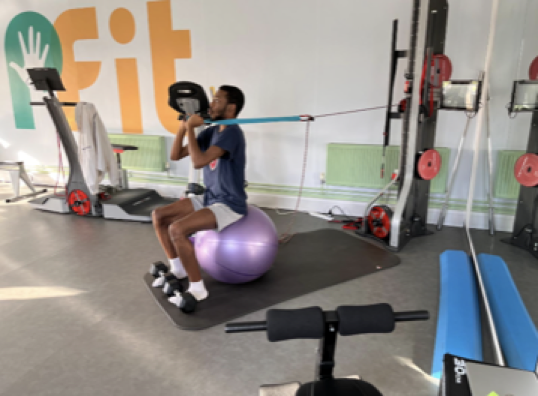
To expand and enhance upon our exercise provision, we have developed PFit by Physiofunction.
PFit by Physiofunction is a bespoke rehabilitation and personal training studio based adjacent to our primary clinic in Spratton, Northamptonshire. It is operated by our experienced sports and rehabilitation therapists, who have worked alongside our neurological physiotherapists for several years and have gained degree qualifications in sports therapy and diploma accreditations in personal training.
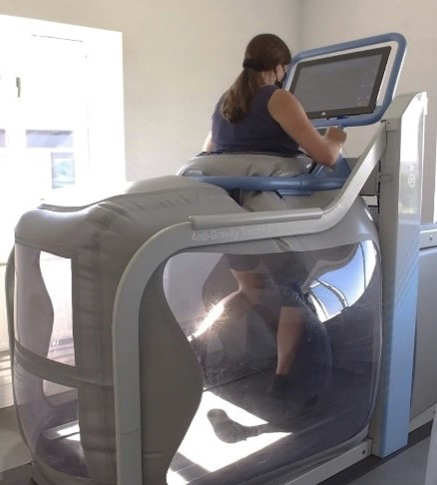
The Pfit by PhysioFunction studio boasts a variety of specialist exercise equipment including the Desmotec d line and v line eccentric flywheels, the AlterG treadmill and WattBike Pro.
Utilising our equipment, and their specialist knowledge, our team is able to develop bespoke, adapted and effective exercise programs for individuals with neurological conditions, to maximise their health, wellbeing, quality of life and independence.
For further information or to book an assessment, please contact [email protected] or telephone us on 01327 842321.
Kramer, S. F., Hung, S. H., & Brodtmann, A. (2019). The impact of physical activity before and after stroke on stroke risk and recovery: a narrative review. Current neurology and neuroscience reports, 19(6), 1-9.
Liu, Y., Yan, T., Chu, J. M. T., Chen, Y., Dunnett, S., Ho, Y. S., Wong, G. T. C. & Chang, R. C. C. (2019). The beneficial effects of physical exercise in the brain and related pathophysiological mechanisms in neurodegenerative diseases. Laboratory Investigation, 99(7), 943-957.