


How robotics are creating new possibilities at Askham
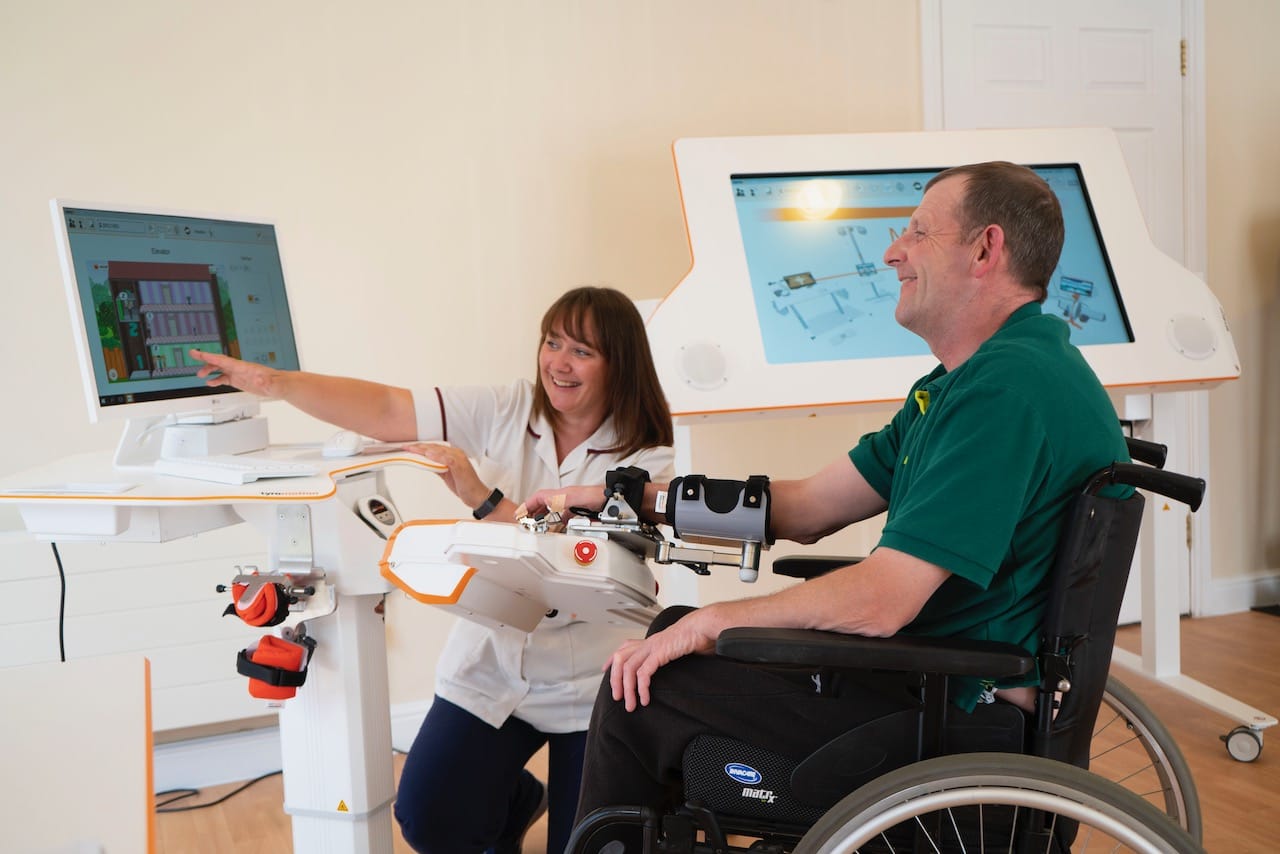
Robotics are being used to enhance patient rehabilitation goals in a residential neuro-rehab setting for the first time, with one UK provider revealing its significant investment is already paying dividends.
Askham Village Community introduced robotic devices in June, creating Askham Rehab, a specialist rehabilitation service which incorporates cutting-edge devices and sensor-assisted technology to extend rehab provision to patients. Having been introduced during lockdown, as well as the innovative new rehab practices adopted at the centre in Doddington, Cambridgeshire, Askham also reports the morale boost it delivered to staff and patients alike, during a difficult time for many.
All prisoners to receive brain injury screening
All prisoners in England are to be screened for Acquired Brain Injury (ABI) sustained through domestic abuse from April 2021, it has been confirmed.
The announcement comes after a long-standing campaign and five years of research to highlight the issue of ABI in the prison system. This work has shown that early identification of an injury could help those working within the prison estate to better support men and women to engage with rehabilitation programmes and services designed to help prevent reoffending.
“You can’t wallow – you’ve got to get on with it”
Having experienced a brain haemorrhage five years ago, 52-year-old Jane Hallard from Gloucester has had to rebuild her life. Here, she details her struggle and how she has learned to look to the future with positivity.
In the five years since my brain injury, I’ve had to come to know a whole new me. While I look the same as I did, I’m far from being the same person. On that day, back in 2015, when I was helping my son to clean his car, little could I have imagined what lay ahead.
Brain injury service developed for COVID patients
A specific post COVID-19 rehab service for people with brain injuries is being developed by a care provider.
The move comes in response to developing evidence showing the effects of the virus are wider-ranging and longer lasting than first thought. In support of those who are too debilitated to care for themselves at home in recovering from COVID-19, The Disabilities Trust has developed a specialist rehabilitation service, which it will offer in some of its 15 brain injury centres across England, Scotland and Wales. The residential programme, which include a period of between four and twelve weeks for holistic rehabilitation before being discharged home, will support brain injury survivors with factors including severe fatigue, chronic and distressing pain, low mood and weakness, all of which can be exacerbated by contracting the virus.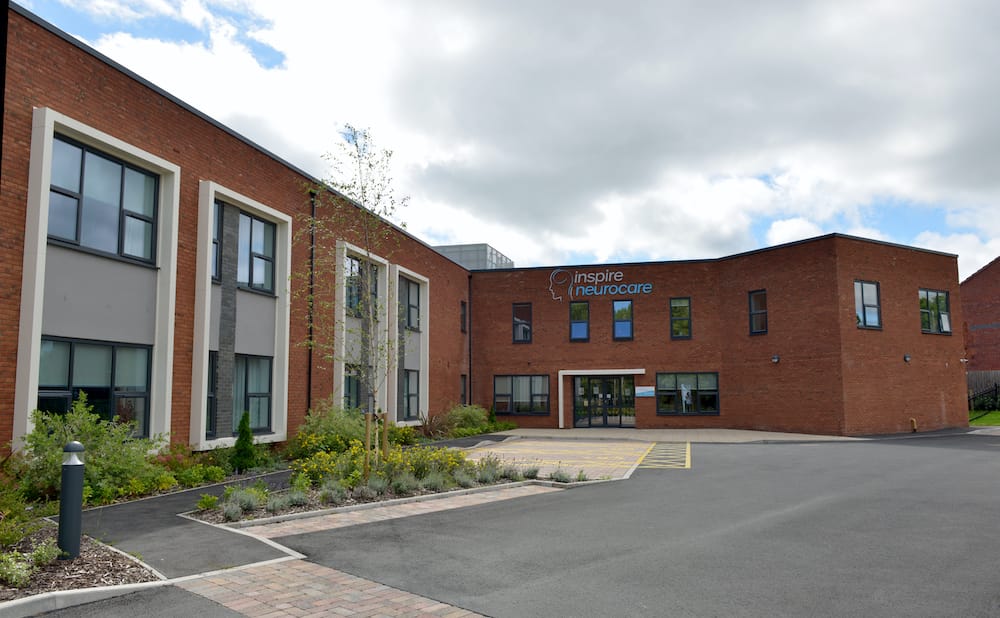
Expert view: The neurological and rehabilitation impact of Covid-19
Inspire Neurocare’s director of clinical excellence, Michelle Kudhail, explores the emerging understanding of the chronic, long-term neurological impacts of Covid 19 and the neurorehabilitation requirements arising from this new virus.
Since Covid-19 first hit the headlines in early 2020, the global healthcare community has faced significant challenges to keep people safe and mitigate the impact on the health sector as cases continued to rise. With an estimated global total of 21m cases, in the United Kingdom, over 319,000 individuals[1] have so far tested positive for the virus. For many people, Covid-19 is a mild illness, but emerging global evidence continues to demonstrate the significant neurological and cardiovascular complications of the virus in those patients who experience serious symptoms.
Stoke Mandeville launches landmark spinal injury study
Stoke Mandeville Spinal Research (SMSR) at the world-renowned National Spinal Injuries Centre in Aylesbury has announced it will fund over £128,000 for a pioneering new study into central neuropathic pain (CNP) in people with spinal cord injury (SCI). The funding is provided by SMSR and the charity Spinal Research. Led by St George's Hospital London, and involving the NSIC Stoke Mandeville, and the London Spinal Cord Injury Centre Stanmore, researchers will embark on a three-year project to explore the effectiveness of a procedure called cingulotomy, a minimally invasive surgical intervention that is able to locate and target a specific region of the brain with pinpoint accuracy, to help hinder overactive nerve pathways which regulate chronic pain in SCI individuals.


