Interview: Could groundbreaking new drug regenerate nerves?
 NR Times hears from NervGen about its groundbreaking new drug that could enable the body to regenerate nerves.

NR Times hears from NervGen about its groundbreaking new drug that could enable the body to regenerate nerves.
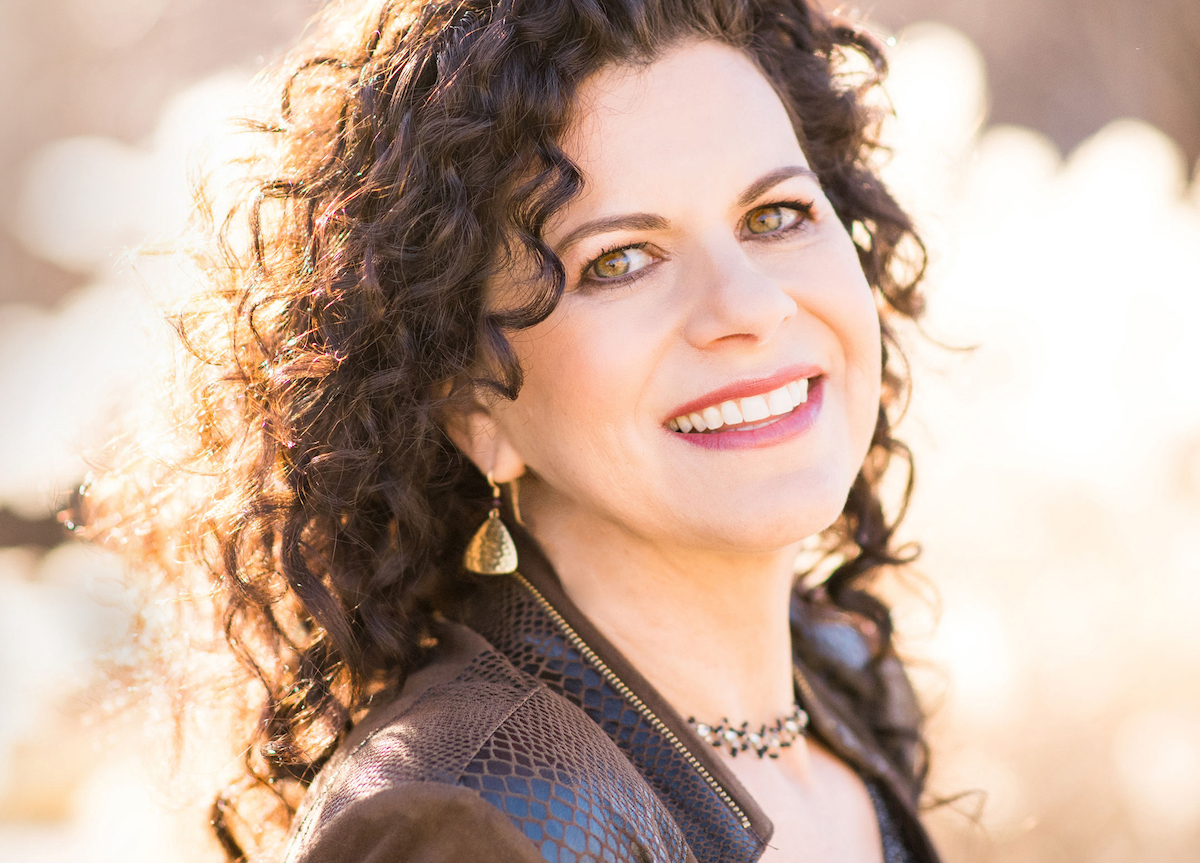
NR Times hears from a leading traditional naturopathic health practitioner who sheds light on the world of naturopathic medicine and shares her personal experience and journey towards holistic healing. One morning at the age of 29, Elizabeth Yarnell woke up blind in her right eye. Soon later, she was diagnosed with multiple sclerosis. She had never heard of naturopathy until the shock diagnosis in 1999 propelled her interest in a holistic approach to healthcare.
Dr Karen D Sullivan, board-certified neuropsychologist and founder of I CARE FOR YOUR BRAIN, talks to NR Times about neuropsychology’s power in improving neurological care, especially in dementia cases. Dr Sullivan’s journey in the field of cognitive impairment care spans from personal experiences as a direct caregiver to formal education at prestigious institutions like Harvard Medical School. One significant difference in how cognitive disorders are approached in neuropsychology is its shift in perspective from a medical-centric approach to a person-centred approach. Dr Sullivan draws attention to Thomas Kitwood's groundbreaking book, "Dementia Reconsidered: The Person Comes First", which played a pivotal role in reshaping the understanding of dementia.
NR Times hears from a nutrition specialist about the latest research on nutrition and Parkinson’s disease and how patients can adjust their diet to potentially aid their symptoms. As scientific understanding of neurodegenerative diseases evolves, research has identified a compelling link between nutrition and the risk and progression of Parkinson’s disease (PD). In recent years, a growing body of research suggests that what we eat could play a larger role than previously thought, with some studies showing that certain foods and compounds may have an effect on disease risk and progression. Antioxidant-rich foods like fruits and vegetables, for instance, are believed to combat oxidative stress, a key contributor to the degeneration of dopamine-producing neurons. Omega-3 fatty acids found in fish and specific nuts have also shown promise in promoting brain health. Conversely, other research highlights the potentially detrimental impact of certain dietary factors typically associated with a Western-style diet. For example, the consumption of highly processed foods, red meats and saturated fats has been associated with an increased risk of developing the condition. Diet and nutrition are also thought to help patients living with PD better manage their symptoms. For example, fibre-rich foods and fluids can ease constipation, a common symptom of PD, while boosting calcium and vitamin D intake can help improve bone health. To find out more about this growing area of interest, NR Times spoke to Dr Bethany Tennant, a naturopathic physician and certified nutrition specialist, about the current research and what patients can do to optimise their diet.
A first-of-its-kind technology is boosting the benefit of physical therapy [...]
NR Times speaks to UCLA researcher Dr Kevin Patel about the potential of metformin in MS care and an upcoming human trial assessing its efficacy.
Other Aspect Health Media Titles


Copyright © 2025 Aspect Health Media Ltd