



Parkinson’s

An online exercise group which offers specially-devised classes for people with neurological conditions has marked its first anniversary by winning national recognition for its work.
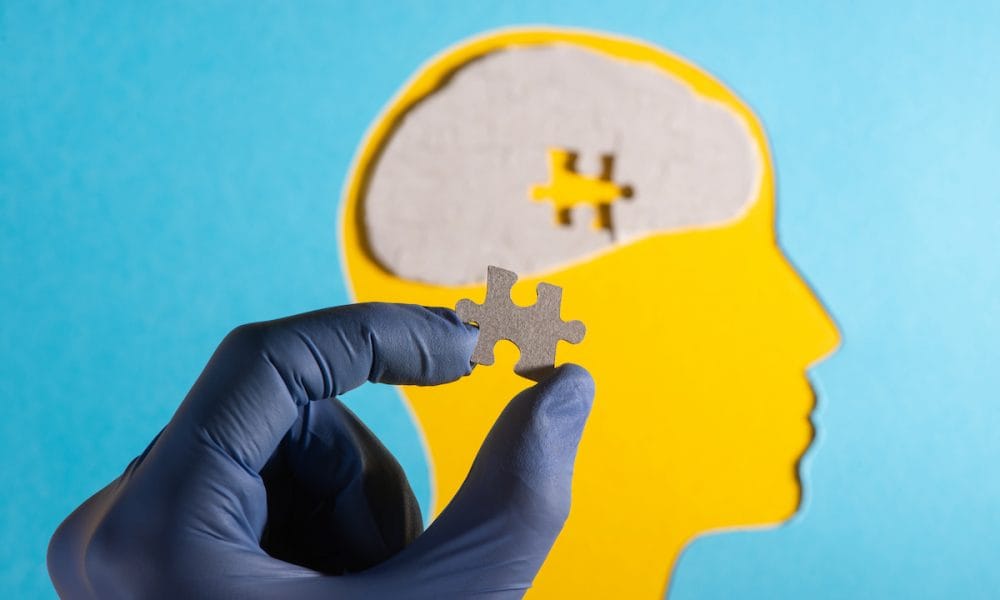
A $3million study has been launched to answer some of the key unknown factors that persist around Parkinson’s disease.
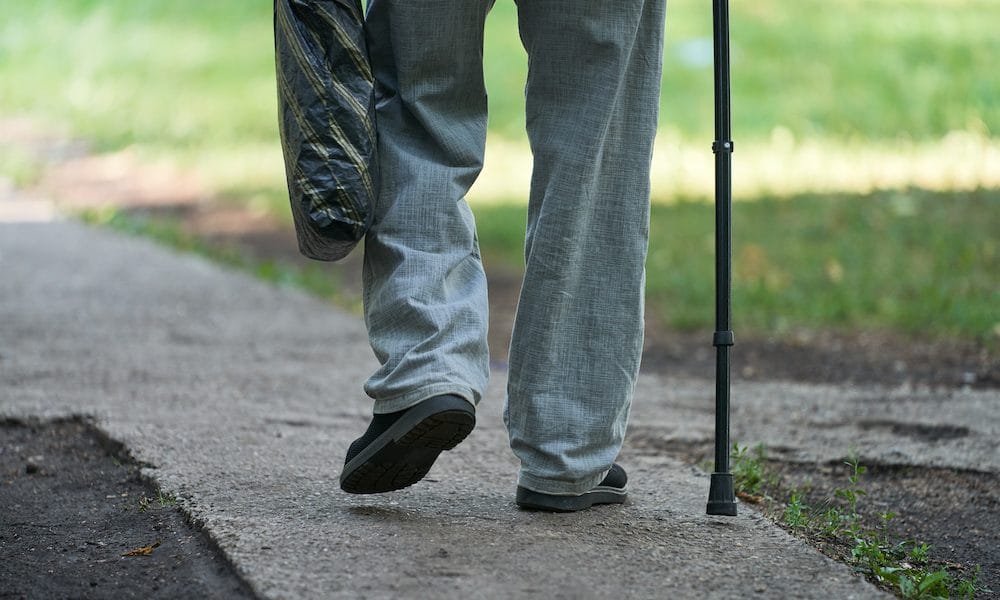
Seven strategies can help people with Parkinson’s who have difficulty walking, a new study has revealed.

Scientists have long known that living cells are master recyclers, constantly breaking down old parts and building them back up into new molecular machines.
Now, researchers have taken a closer look at the life cycle of energy-generating cellular power plants—called mitochondria— inside brain cells, and how they might be recycled. They showed that genes associated with Parkinson’s disease play key roles in this process.
In dementia cases, the instinct to look after and nurture something or someone can be among the last things to leave a person. People with the neurodegenerative condition may hold dolls while in care, for example, as their brain recognises them as objects requiring their care and attention.
While pets can also help to satisfy this need, taking care of them may be too much responsibility for many with the disease. A new solution is emerging, however, in the form of robotic animals.
Music lover and folk artist Duncan Whitehurst has been in the music industry for a number of decades now.
He spent much of the 90s enjoying a lot of success with his band The Rain Kings and now plays in his family band Lucky 12. Duncan performs with an acoustic guitar, while his wife Rebecca plays the violin with their son Harry on the drums and friend Jack Deere-Jones on double bass. The group has enjoyed a lot of success in the UK folk scene in recent years, but only came about after Duncan took an extended absence from music.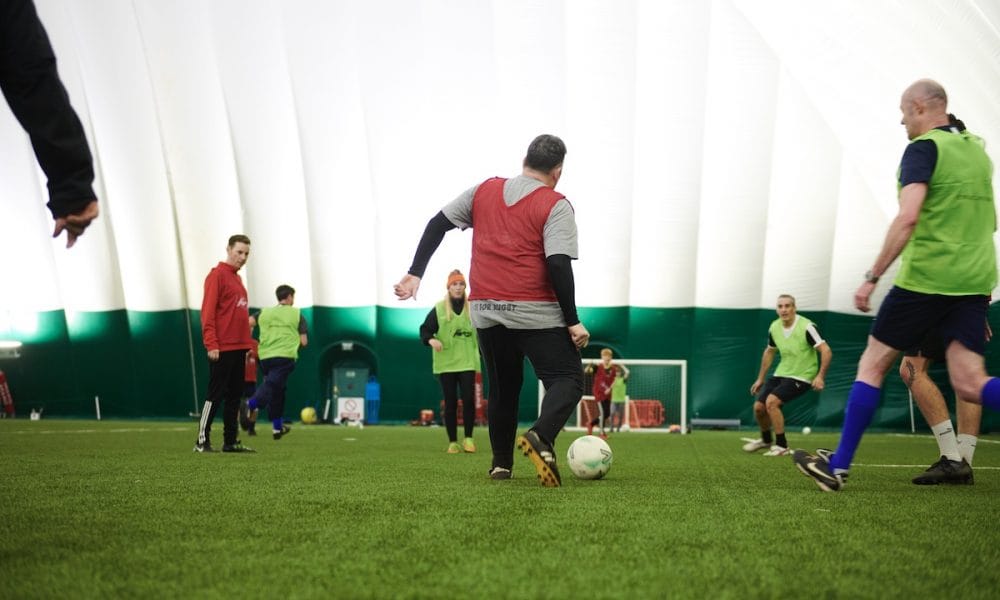
Typically when someone mentions Parkinson’s Disease the first thing people think of is muscle stiffness, tremors and slowness.
This leads a lot of people to believe that those with the condition cannot partake in any sort of sport, particularly those that are of a high intensity like football. However this has not stopped the creation of one football club in Hertfordshire that is getting those who live with Parkinson’s out on the pitch. Fighting Fit Football has been showing how exercise can alleviate symptoms by bringing people together for fun and engaging sessions each week.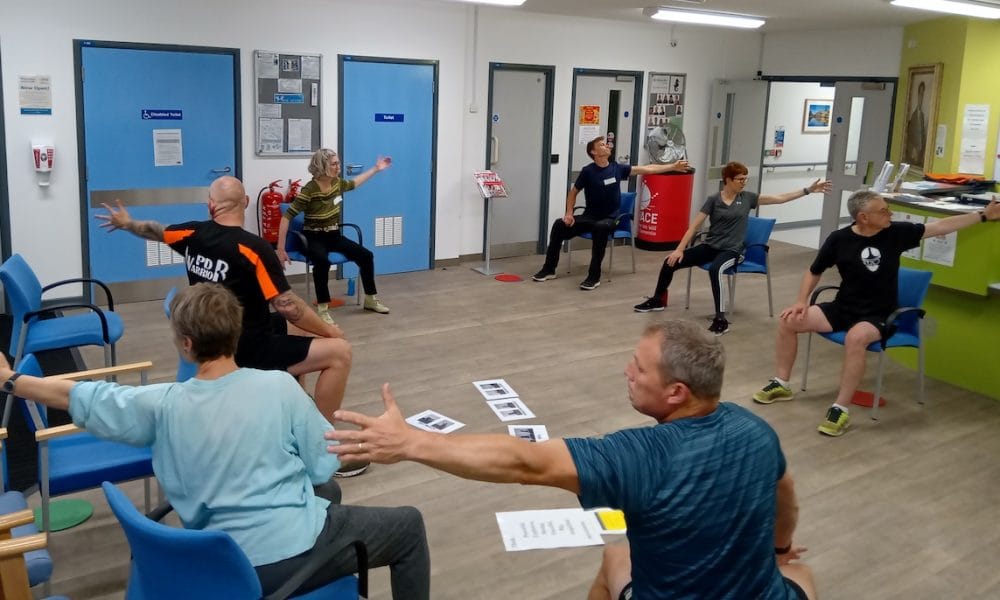
There are a number of methods used to treat Parkinson’s, but one emerging solution could also be the simplest.
Getting Parkinson’s patients moving and active is rapidly being recognised as one of the best possible treatments available. A number of studies have shown the benefits it can have for those with the disease, with the Parkinson’s Foundation highlighting exercise as one of the most accessible ways to help. One group putting this research into practice is PD Warrior, a foundation based on offering fitness classes for those at all stages of the condition.
New understanding of how the production of a protein in the brain is controlled could pave the way for new treatments for a wide range of neurological conditions.
In a newly-released study, researchers investigated a section of genetic material known as antisense long non-coding RNA (lncRNA), which helps fine-tune the production of the protein tau inside brain cells. This precision in tau regulation is crucial for smooth functioning of the nerve cells. Understanding the mechanism which helps regulate tau production could be the key to developing better treatments for conditions including Parkinson’s, Alzheimer’s, corticobasal degeneration and progressive supranuclear palsy.
Anxiety amplifies the physical signs of Parkinson's disease, a new study has revealed.
The study - believed to be the first to explore the lived experience of anxiety for people with Parkinson’s - also revealed that participants did not see talking therapy as a useful solution, and more support was needed for people living with both conditions, along with their carers and health professionals. Led by the University of Plymouth and Glasgow Caledonian University, the research involved in-depth interviews with six people living with Parkinson’s and anxiety. The study covered three male and three female participants, each at varying stages of Parkinson’s, and uncovered primary themes that: • Anxiety amplifies their physical Parkinson’s symptoms • Anxiety affects their cognition and freezes the thought process • Anxiety was ‘always there’ and they were constantly trying to find ways to cope


